Washington state Governor Bob Ferguson signed a pair of new bills Thursday that prohibit federal immigration agents from wearing masks, as well as and impose harsher penalties for impersonating a law enforcement officer.
Why It Matters
The measures, approved by the state Legislature earlier this month, are part of a push by Democratic lawmakers to prohibit ICE agents from wearing masks during enforcement. Since last year, Democrats in more than 30 states have filed legislation seeking to restrict the use of facial coverings by law enforcement officers, according to the Associated Press.
What To Know
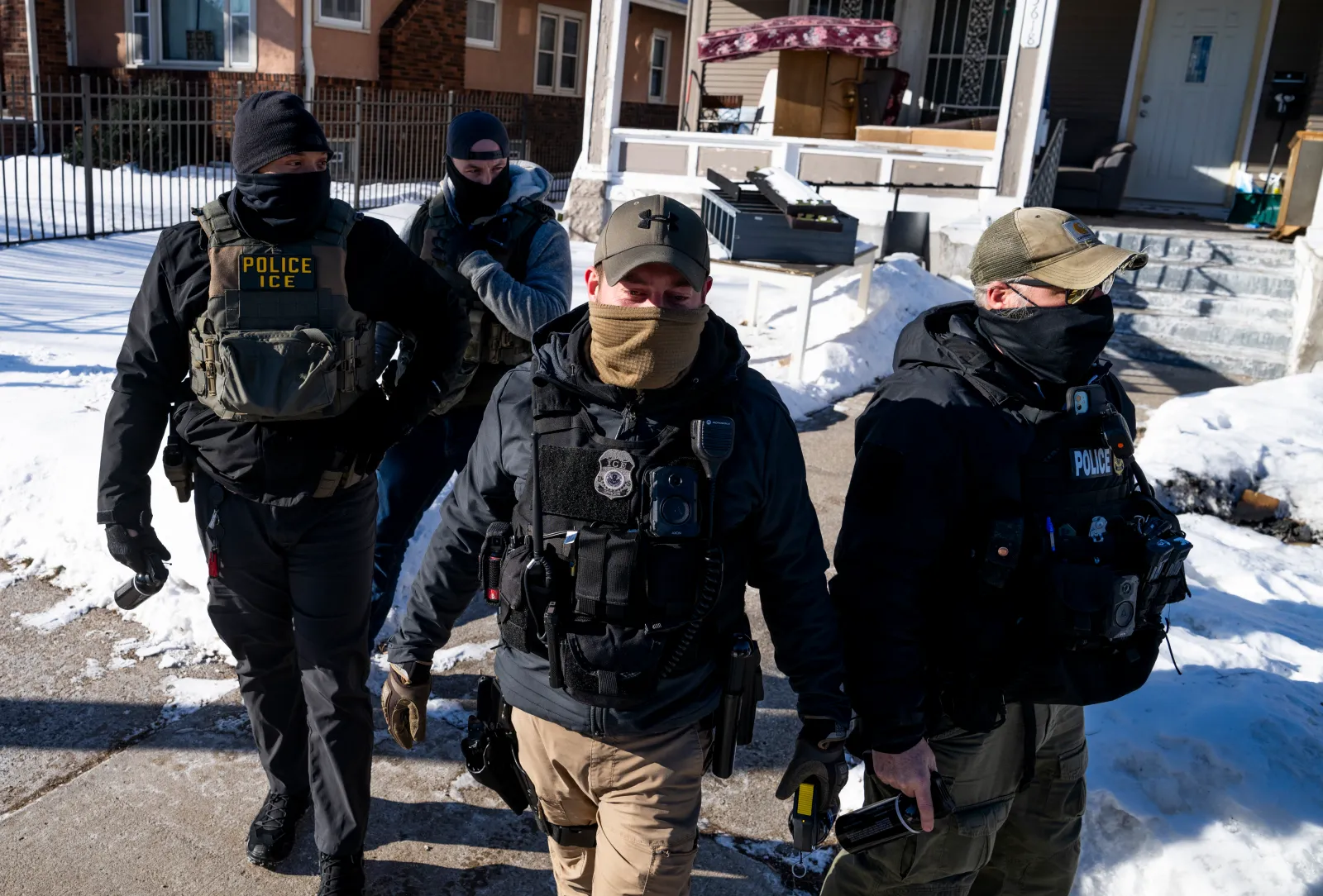
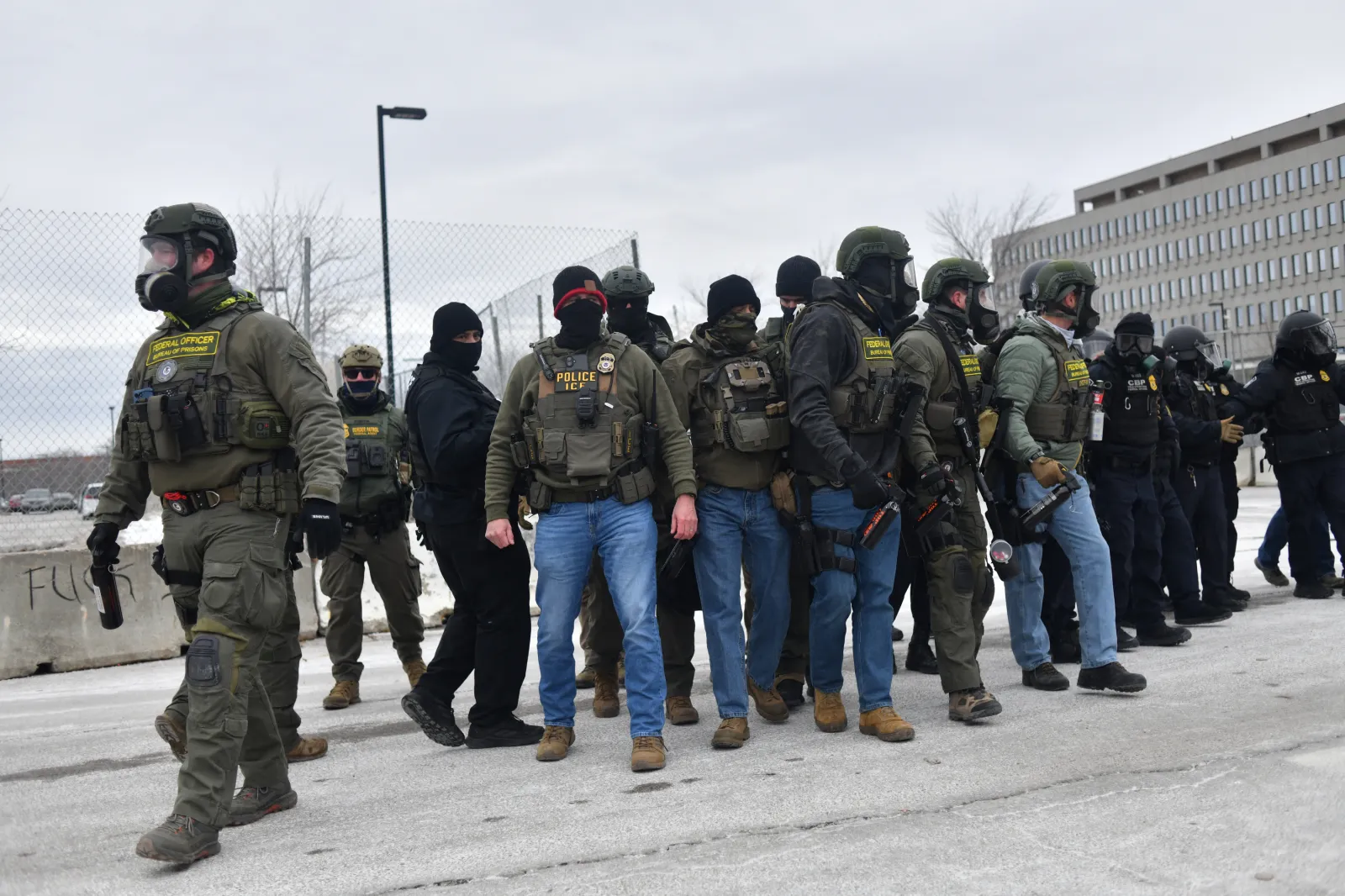
Senate Bill 5855 takes effect immediately under an emergency clause and restricts law enforcement officers, including federal agents such as those from Immigration and Customs Enforcement and Customs and Border Protection, from wearing masks that obscure their identities while interacting with the public.
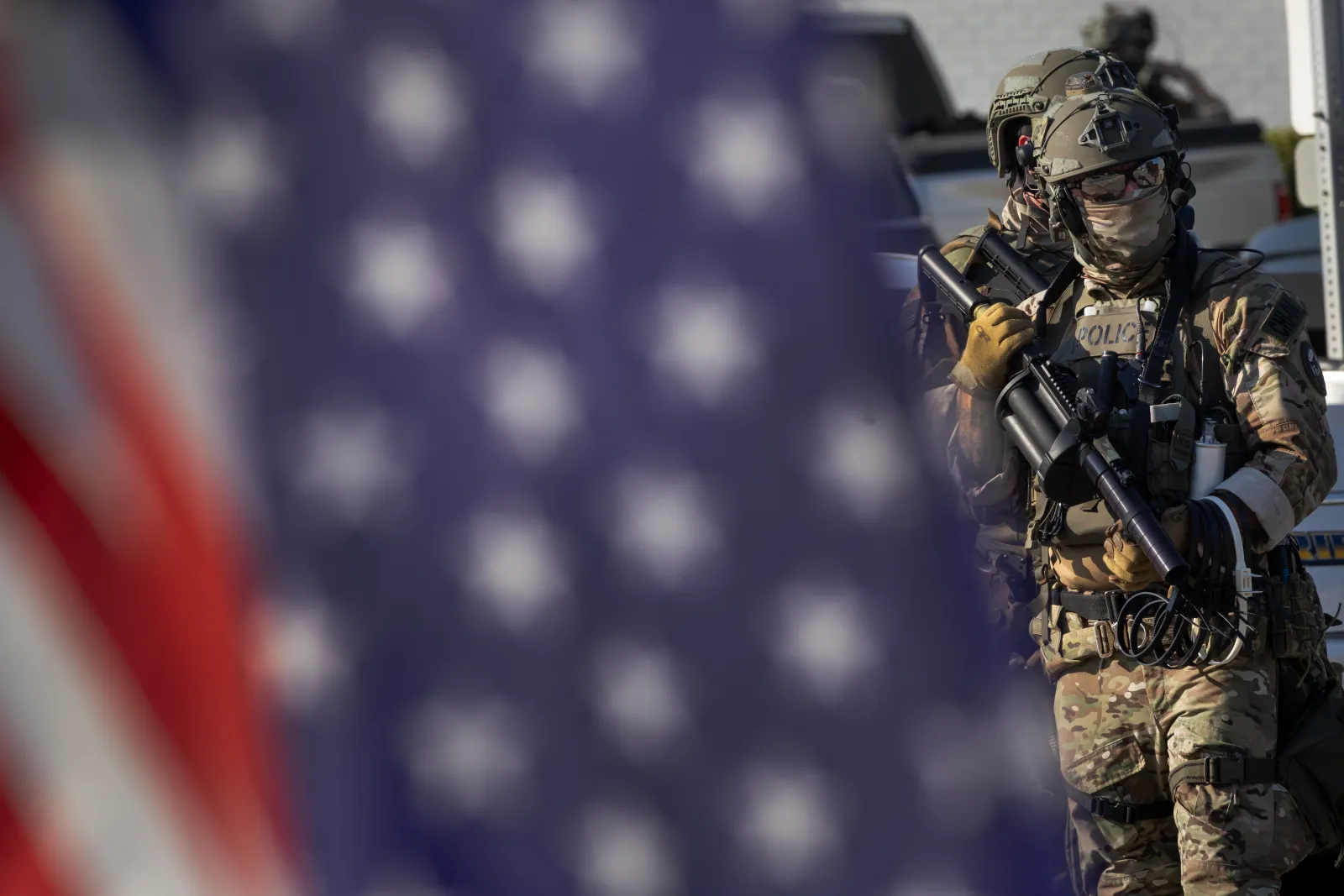
Under the law, officers are generally barred from using face coverings such as ski masks or balaclavas during official duties. Exceptions are allowed for undercover operations, tactical assignments, medical or religious reasons, and protective gear required for safety.
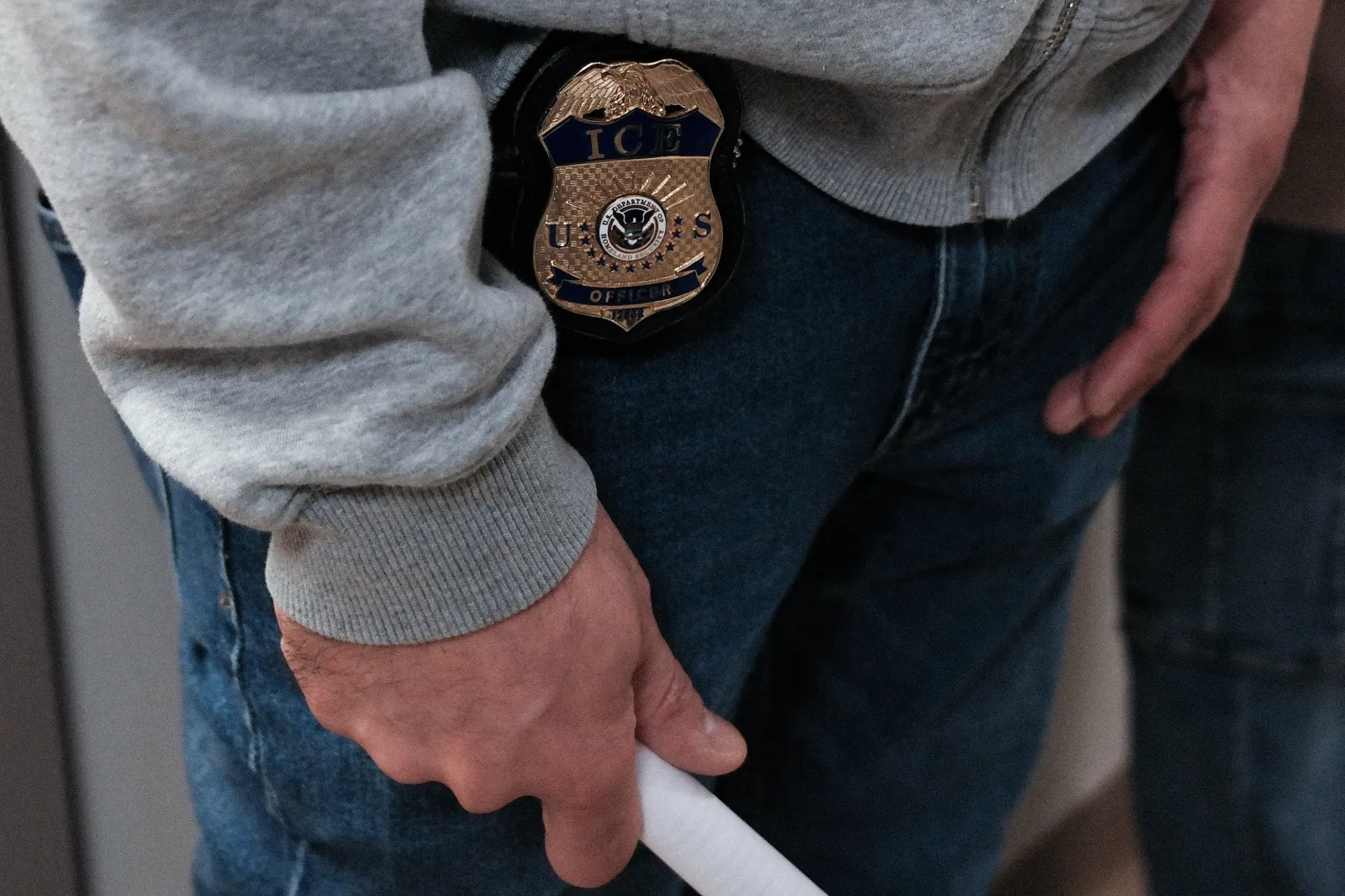
The measure also requires officers to display identifying information and allows individuals detained by officers in violation of the rule to pursue legal action.
Impersonation Of Officers Clampdown
The second measure, House Bill 2165, targets the impersonation of law enforcement officers and passed with bipartisan support, clearing the House in a 66 to 29 vote and the Senate 30 to 18.
The bill expands the definition of law enforcement officer under state law to include federal agents with authority to detain individuals, including those working in immigration enforcement. It creates a new offense of false identification of a peace officer, making it a gross misdemeanor to present oneself as law enforcement without authorization.
The legislation also restricts the possession of items bearing law enforcement insignia, while allowing exceptions for constitutionally protected uses such as art, commentary, satire, and parody. State officials said the measure responds to a rise in cases of individuals falsely posing as immigration agents.
“If you’re not a law enforcement officer, it needs to be illegal to wear something that gives the impression that you are,” Governor Ferguson said. “This common-sense change in state law will make Washingtonians safer and hold imposters accountable.”
Representative Julio Cortes, a Democrat who sponsored the bill, said the legislation was intended to ensure that residents can trust the identity of those claiming to be officers, particularly at a time of heightened immigration enforcement activity. Senator Javier Valdez, a Democrat and sponsor of the mask restrictions, said the two measures were designed to work together to improve accountability and reduce confusion.
‘Held Accountable’
“It’s just common sense and good community safety policy,” Rep. Obras said in a press releae. “If you talk to someone you believe is a law enforcement officer, you should be able to trust that they, in fact, are who they say they are. These unprecedented times, in which federal officials are arresting and detaining members of our communities, require us to ensure those creating additional chaos are held accountable.
“We should all be worried about vigilantism, assault, or property crimes that become easier if someone impersonates a police officer. We are taking steps to prevent these crimes to ensure all communities are safe from harm.”
“ICE agents are stoking fear across Washington state and the country, while making us less secure,” Senator Cortes said in a press statement. “The FBI has warned of criminals posing as ICE officers and carrying out robberies, kidnappings, and sexual assaults in several states. This is unacceptable and erodes the public’s trust in law enforcement. House Bill 2165 is a critical step in helping us restore that trust so we can keep our communities safe.”
Doxing Dangers
Democrats said the legislation is intended to ensure that members of the public can clearly identify those exercising law enforcement authority. Republican lawmakers have maintained that the policy could endanger officers and may exceed the state’s authority over federal personnel. Critics counter that removing masks could increase the risk of doxing, exposing officers to harassment, threats, or online targeting, particularly in sensitive operations.
A federal judge in February struck down a California mask restriction bill, finding that it discriminated against federal law enforcement because it applied to federal and local officers but not to state officers. The ruling was a win for the Trump administration, which had challenged the law, but it also suggested that states could revise such measures to address those legal concerns.
The issue of masks has also become entangled in a wider dispute in Washington over federal funding. A partial shutdown of the Department of Homeland Security has continued since February after congressional Democrats declined to approve funding without changes to immigration enforcement policies following the killings of two U.S. citizens in Minneapolis.
Among their demands are requirements that agents display clear identification, use body cameras, and limit the use of face coverings during operations. The White House has proposed some changes, including expanded use of body cameras, but has not agreed to all of the restrictions sought by Democrats.
What People Are Saying
“To be crystal clear: we will not abide by this unconstitutional ban,” a spokesperson for the Department of Homeland said in a statement.
“Law enforcement’s job is to protect us—yet, ICE is hiding from public accountability,” Governor Ferguson said in a press release. “For the safety of both the public and law enforcement, Washingtonians must know they are interacting with legitimate law enforcement officers.”
“Masked enforcement has sown fear, terror, and distrust in our communities,” Senator Valdez said in a news release. “This new law ensures that anyone exercising power over another person is fully accountable and visible, and that families across Washington can feel safe knowing who is in a position of authority. Transparency is not optional, and justice should never hide behind a mask.”
“Our communities deserve transparency, accountability, and dignity,” said Rep. Cortes, who sponsored the companion legislation in the House. “This measure ensures that when law enforcement interacts with the public, people can clearly identify who is exercising that authority. This is a commonsense step toward building trust and protecting the rights of everyone in Washington.”
What Happens Next
The laws are expected to face legal challenges over whether a state can regulate federal agents, with the Department of Homeland Security signaling it may contest the measures or decline to comply, setting up a potential court battle over the limits of state authority.
